When it comes to log homes, there are two main threats to the structure’s integrity — and your peace of mind. As any responsible log homeowner will tell you, those concerns are: one, moisture issues, and two, insect damage. However, just little preventative effort in the near-term is all it takes to protect your investment and enjoyment of the log-home lifestyle in the long run. Ready to learn how to proactively inspect your home for signs of damage? The experts at Perma-Chink Systems, Inc., have a few pointers:
The Annual Habit
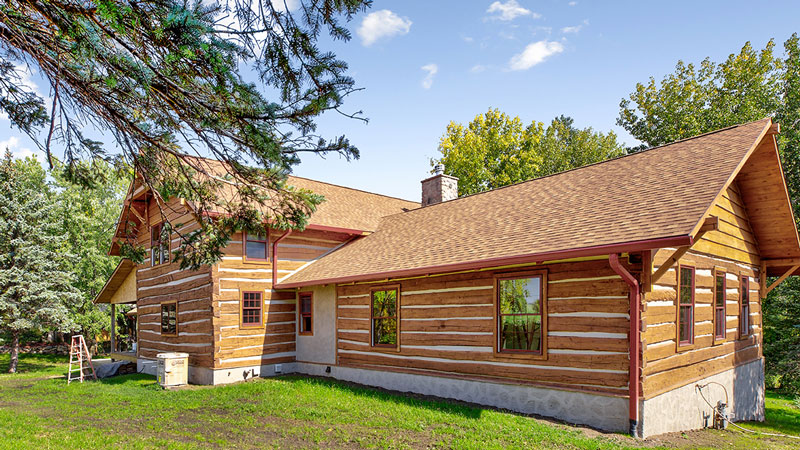
Springtime is filled with rituals. Integrating an annual exterior clean and DIY inspection into your yearly routine sets your log home up for low-maintenance success.Just after the heaviest part of pollen season, use Log Wash to remove surface contaminants like dust, pollen and any accumulated mold that developed over the last year. A clean exterior makes potential issues more visible because they cannot hide under a year’s accumulation of dust and pollen.
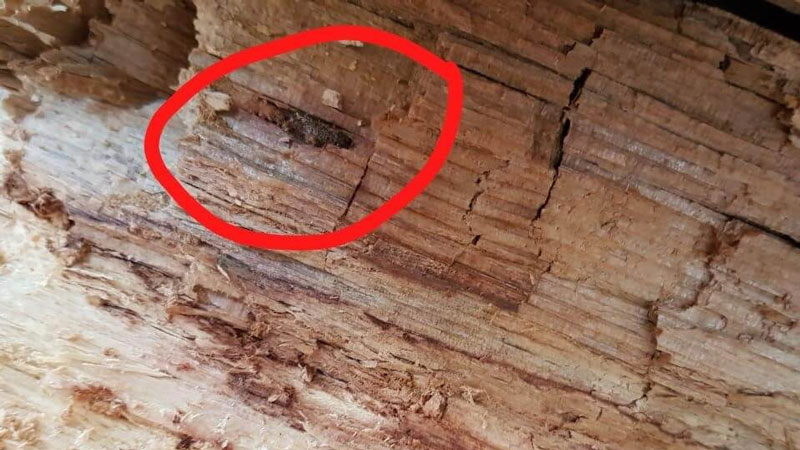
Inspection Checklist
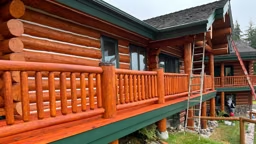
Once your log home is clean, follow this simple moisture and insect-damage checklist.- Inspect to see if stains and top coats are still intact. If either need a touch-up, the Perma-Chink Lifeline system makes it easy. Perma-Chink’s Lifeline stains add color and wood protection, while Lifeline Advance Clear Exterior Top Coat protects the stain and reveals a deep, rich luster.
- Remove debris from gutters and downspouts. Leaves, sticks and plant litter can cause the water to back up, flood and intrude into logs.
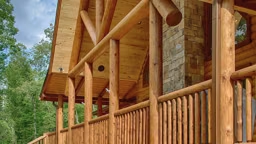
- Pay particular attention to logs susceptible to rain, backsplash and snow pileup. Think: dormers, decking, flashing areas and anywhere the logs touch the ground—these are all vulnerable areas.
- Trim all shrubs and tree limbs away from the house. Branches are an insect highway and hold moisture. Plant litter can clog gutters.
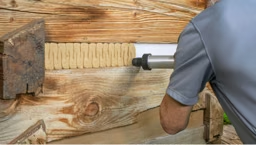
- Check chinking and caulked areas for cracks and tears. Repairs can be made handily with Perma-Chink’s caulk or chinking tubes.
- Examine upward-facing checks and make sure they are sealed. Check-Mate 2 is a quick and easy-to-use product that prevents water and air infiltration.
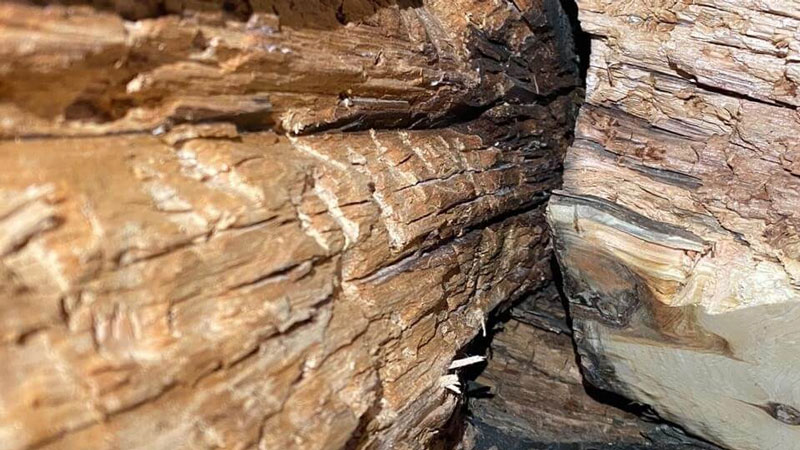
Test Tips
Rot and decay due to moisture are usually visible, but hidden spots can exist. Test suspected areas with a hard item and tap on the wood. Healthy wood makes a dull, solid thump sound. In contrast, rotted wood answers with an echo-like sound, indicating a hollow core.Make a Plan
For small areas of decay or rot, Perma-Chink’s high-performance epoxy products both treat and restore logs. After cutting out any deteriorated wood, apply M-Balm, an epoxy liquid that penetrates deeply and strengthens spongy, weak wood. Follow up with E-Wood, a putty-like epoxy filler that fills in the missing space. E-Wood is formulated to both bond with rigid surfaces and not shrink.Insect damage is also quite visible. If you see frass (little sawdust piles) and tiny holes, you may have termites, or wood-boring beetles. Wood-preserving borates are effective for any wood-ingesting insects (parasitic wasps and carpenter bees do not ingest wood).
Borates must be applied to bare wood. The use of borate and wood preservative products are part of the construction process. However, Bora-Care can be used for an existing infestation.