Photos courtesy of Perma-Chink Systems, Inc.
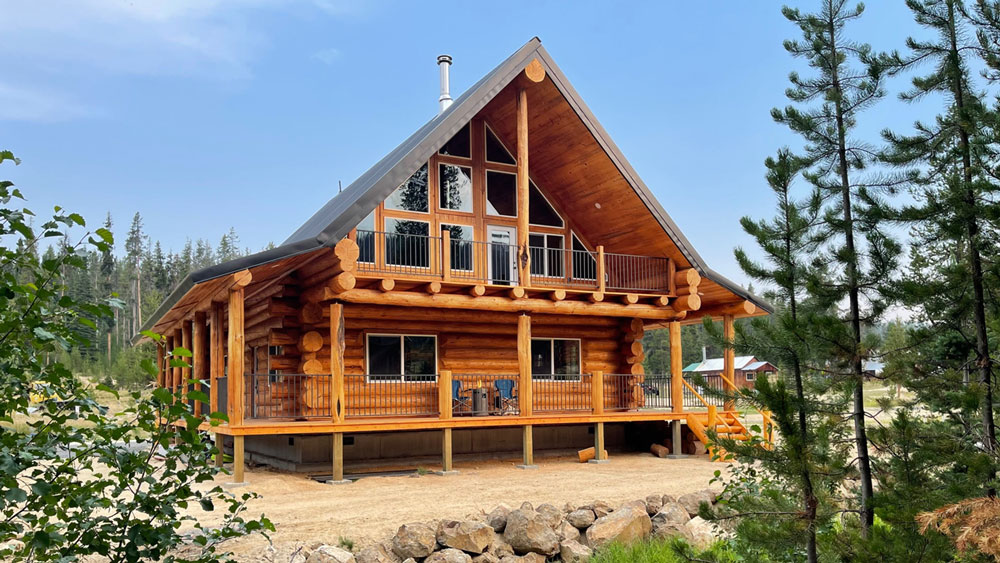
Few structures imbue a sense of security against the elements like a log home. But weather is relentless, and exterior logs require care to protect their longevity.
“Everyone wants to know, how often do I need to do maintenance on my log home?” says Rick Webb, Vice President of Sales at Perma-Chink Systems, Inc. Climate plays a major role in the answer. More specifically, moisture and ultraviolet (UV) light are the two critical factors that must be actively managed.
How Does Water Exposure Affect Log Home Maintenance?
Moisture is a constant threat to log structures. When wood absorbs moisture, it leads to rot and decay. You can’t stop snow or rain, but you can make sure your logs are properly sealed. A well-sealed surface is the first line of defense.A high-performance clear top coat for wood, like Perma-Chink’s Lifeline Advance Exterior Finish, maintains protection against water exposure in three critical ways.
- First, it’s breathable, allowing water vapor to escape.
- Second, it has elongation properties that allow the finish to flex as the wood naturally expands and contracts. That flexibility matters: finishes that trap moisture or crack easily lead to rot, decay and more maintenance headaches.
- Finally, the top coat acts as a water barrier. When it is performing properly, water beads up or runs off the logs. If the wood starts to look darker or wet, it’s an indication moisture is penetrating the surface, and the clear coat may need to be reapplied.
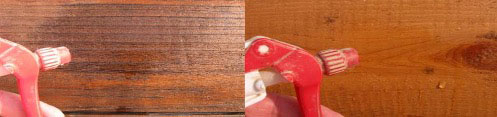
This visual evidence makes maintenance easier to manage. But you need not wait for a storm to check performance. An annual log cleaning is a good habit. Log homeowners typically use Log Wash to get rid of accumulated pollen and dirt. Rinsing the logs is the perfect time to check the integrity of the top coat.
How Does UV Exposure Affect Log Home Maintenance?
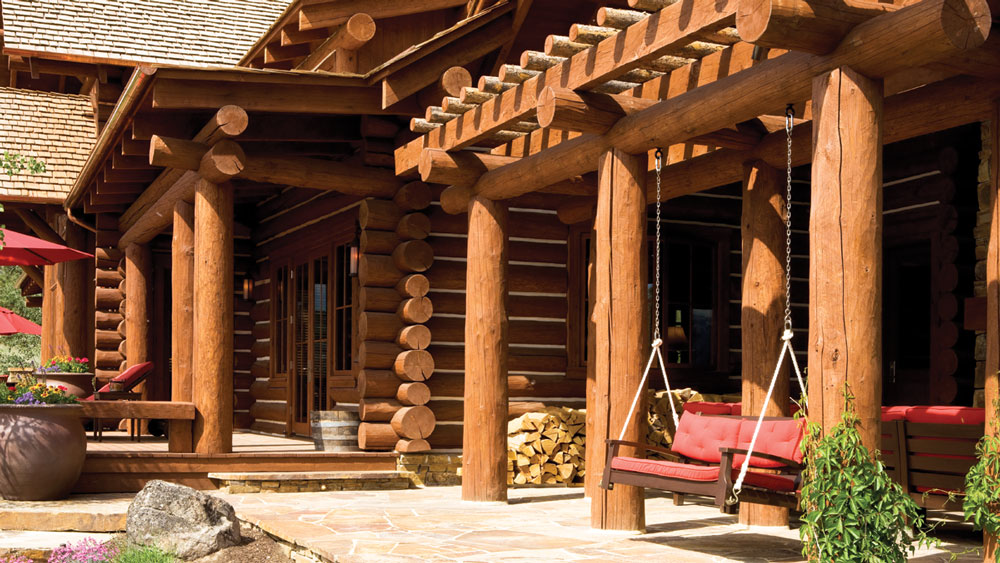
While a top coat protects against rain, sleet, snow, ice or even lawn sprinklers, it’s also protecting the stain. The stain is critical because it protects the logs from UV damage. Think of it as sunscreen.UV exposure levels vary depending on orientation and elevation. South- and west-facing walls receive the most sun, and higher elevations experience more intense UV radiation.
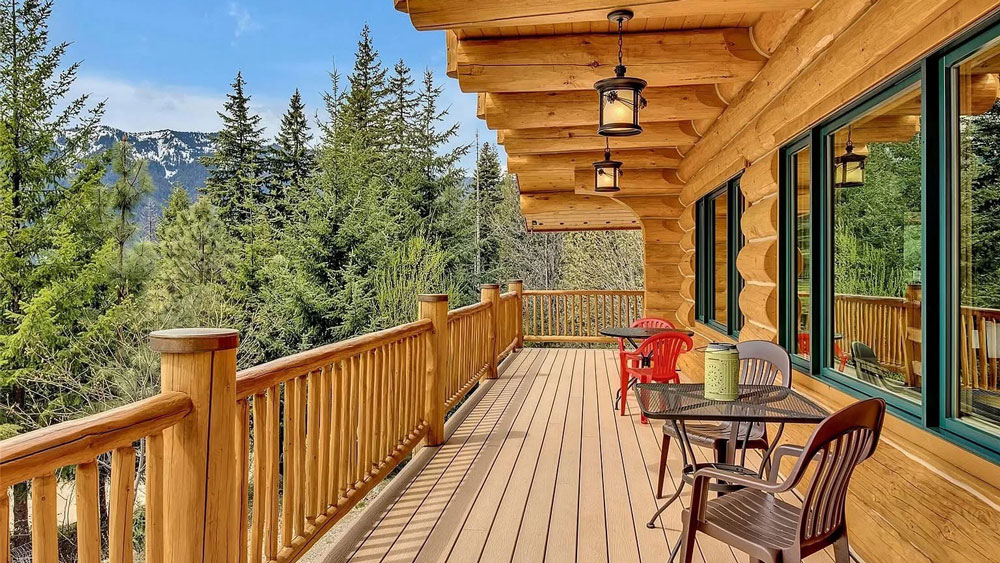
There are also design decisions that will help protect your logs from UV damage. Roof overhangs, home orientation and shade from trees all reduce direct sun exposure. These measures can extend the life of both the stain and the top coat.
Climate Considerations
In short, climate affects the longevity of your log home primarily through two factors: moisture and UV exposure. Rather than relying on a fixed maintenance schedule, pay attention to how your home’s specific conditions—sun exposure, moisture levels, elevation and orientation—affect the finish over time. Regular inspections can help you catch signs of wear early and address them before they become bigger maintenance concerns. The better you understand how your home responds to its environment, the easier it is to give it the care it needs so you can enjoy your dream home well into the future. Sponsored by Perma-Chink Systems, Inc.