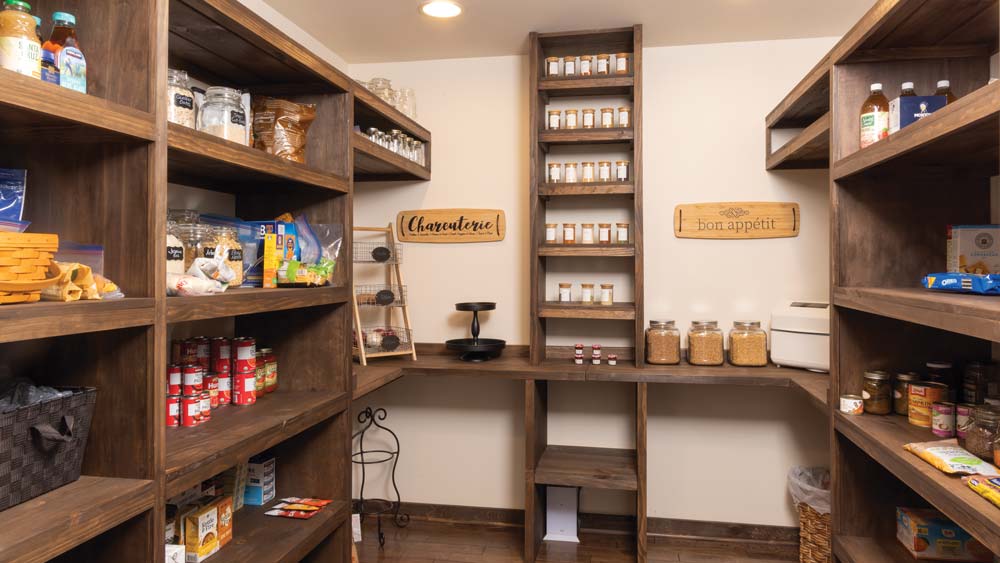
Coventry Log Homes pantry, Photo by Joseph Hilliard
When you build a home, creating special areas for family and friends to enjoy is a given. But planning around the things that fill your life is important too, especially when space is limited. With a smart approach to storage, you can transform even the smallest home from cluttered and cramped to cozy and comfortable.
Assess, purge and plan
When coming up with storage plan for your home, it can be tempting to buy baskets of all shapes and sizes to help corral the clutter. But preemptively purchasing an abundance of organizational tools won’t make your spaces more efficient, especially if your house is on the smaller side.
“You need to know what you have first, then figure out how to store it,” advises Meagan Cooperman of Cooperman & Co. Interiors. “So many of us don’t even know what we own.”
When working with clients, her first step is to open every drawer, cabinet and closet. “As you assess each space, ask yourself, ‘What do I actually need?’” Only keep what you will use on a daily or seasonal basis and toss or donate the rest. “A purge is always the best place to start when you’re considering your storage requirements,” says Meagan.
As you take inventory of individual items, she recommends noting what is (and isn’t) working with your current storage situation from a structural standpoint. Knowing your specific needs—perhaps it’s more appliance storage in the kitchen or an entryway drop-zone or added shelving in the garage—will guide you to the right storage solutions.
Think in layers to maximize space
The key to amplifying storage in a small home is to think in layers. Breaking down your storage needs will help the task feel more manageable and ensure each area is used to its fullest.
Layer 1: Fit functional storage into your footprint
The backbone of your storage plan will be your closets, including walk-in pantries. If you’re designing a new home and square footage is tight, you may be tempted to shift precious space to living areas rather than storage. But having the capacity to tuck your belongings away will help a small home seem larger—both functionally and visually.
A few must-haves: a kitchen pantry (either a walk-in or reach-in), a closet near the entrance to stash outwear and/or shoes and a utility area for laundry and maintenance supplies. (You can save space with a sliding door, if needed, to each of these areas.) You’ll also want to dedicate a spot for seasonal items, whether that’s in the attic, on a lower level or in the garage.
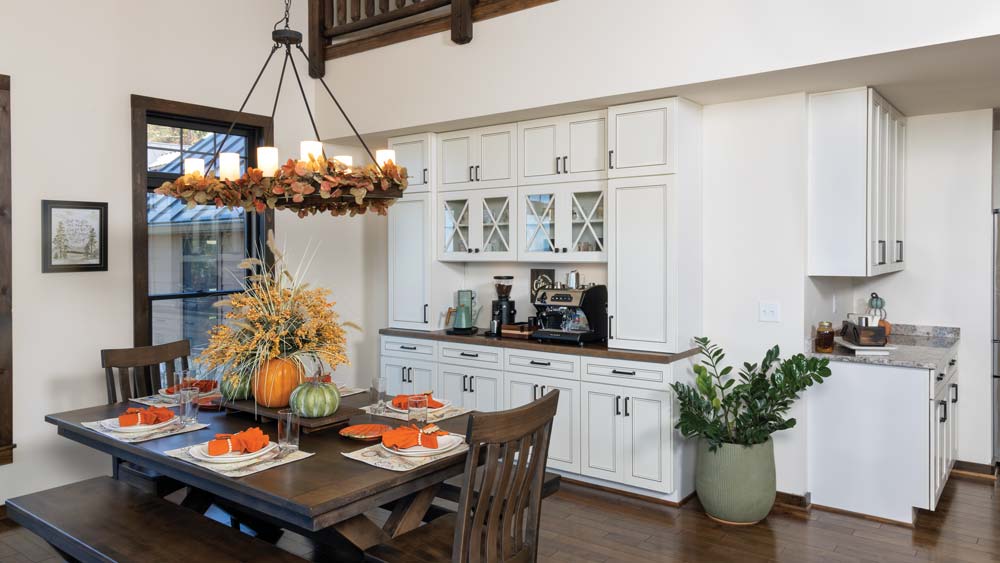
Dining room built-ins by Coventry Log Homes, photo by Joseph Hilliard
Layer 2: Get creative with custom built-ins
Next, build on this base of storage areas with custom cabinets and built-ins—one of Meagan’s go-to solutions for keeping small spaces tidy.
In the kitchen, she recommends taking cabinetry all the way to the ceiling: “The higher cabinets will make the room feel larger and offer additional storage.” Toe-kick drawers and cabinets outfitted with lazy Susans are her secret weapon. “They’re such space-savers,” she says. “I put them everywhere, especially in smaller homes.”
In a family room, built-ins are often found flanking a fireplace or television. Meagan recommends designing them with a mix of closed cabinetry for tucking away games and puzzles or concealing media equipment as well as open shelving for displaying books or favorite mementos.
Depending on your home’s design, you may be able to eke out extra space with other creatively placed built-ins. Under-stair cubbies or shelves fitted with drawers or baskets can be perfect drop-zones for shoes, keys and mail, while a built-in window seat with a lift-top or pull-out drawers doubles as storage for blankets or seasonal items.
In the bedroom, a built-in headboard with integrated shelving and drawers around your bed makes the most of what is typically unused wall space, while keeping nighttime essentials close at hand. And don’t forget closet organizing systems that can maximize storage with a mix of drawers, shelves and hanging rods, allowing you to take advantage of vertical space as well as horizontal.
For primary bathrooms, include traditional vanities with doors and drawers, then add tower cabinets above for out-of-sight storage for personal care items, towels and linens. “You can even design them with outlets, so your hair tools, electric toothbrush and razor can live there,” Meagan says. “Keeping your counters clear of clutter makes all the difference.”
Layer 3: Add the finishing touch
The final layer of your storage plan is where clever solutions, like furniture, hooks and stylish baskets have a chance to shine.
Meagan suggests choosing furniture pieces that pull double-duty. For example, if you need extra seating, skip stools and opt for ottomans with interior storage instead. A lift-top coffee table, or one with sliding doors or drawers, is the perfect place to keep reading material, games and remote controls out of sight. There are even space-saving dining tables that house their own seating.
She also advises her clients to think vertically when it comes to furnishings. “Instead of a six-drawer dresser, go with a vintage armoire that will give you that additional shelving and hanging space,” she says.
For both everyday and seasonal items, her go-to storage containers are acrylic bins: “That way, you can see what you’ve got and easily find what you need when you need it.”
Of course, for items kept in plain sight—from mail to magazines, books to blankets—now you’re ready for the most tried-and-true storage solution of all: a beautiful display basket.
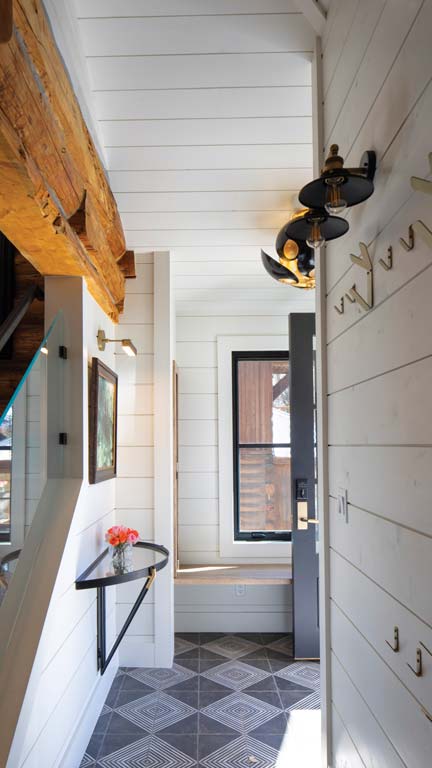
add lower ones for younger children to use.
Photo by James Ray Spahn; Styling by Carolyn Connolly Spahn
Our “Stuff” (By the Numbers)
- The average American home contains 300,000 items.
- 1 in every 10 Americans rents a monthly storage unit — money that could be spent on features that enhance or even enlarge your home.
- Only 20 percent of the belongings in a home are actually used.
- Cluttered environments are linked to higher cortisol, lower sleep quality and reduced brain capacity, while clean spaces enhance overall well-being.
- The average person will spend more than 150 days of their life searching for misplaced items, such as a phone, paperwork or keys.
- Reducing clutter eliminates roughly 40 percent of housework.