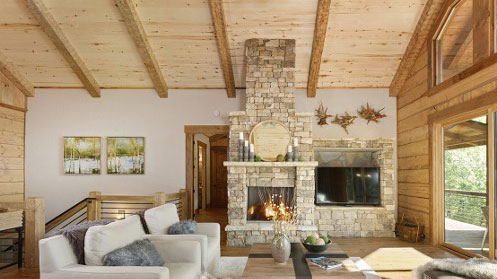

A log home’s finish is a pivotal element to the structure’s beauty and performance. Properly maintained, it enhances wood’s natural allure. It also protects against UV and water damage, elements that, when left unabated, will turn wood back into dirt.
Advocate for your home’s preservation by learning how to tell when your home needs the existing finish removed before re-staining. Then, discover how Perma-Chink’s stain and topcoat system simplifies this process for a low-maintenance log cabin lifestyle that exceeds performance expectations.
Visual Signs of Finish Failure
Before re-staining your log home, the most important question is whether the existing finish is still performing or showing evidence of failure. Not every project requires stripping back to bare wood, but applying new stain over a compromised surface leads to poor adhesion and performance deficiency. Two visual clues will help you determine if the finish needs replacing.1. Peeling and Flaking
Look closely at the current finish. Small areas of peeling or flaking, particularly around log checks, can usually be addressed with localized touch-ups. However, more widespread peeling is a clear sign the finish has lost adhesion and should be removed more thoroughly before re-staining.2. Color Changes
Color changes are another indicator. If you see gray, weathered wood beneath or through the finish, that indicates UV damage and oxidation. In this case, you’ll need to remove enough of the surface material to return to solid, healthy wood before re-staining.Test It
If you suspect a compromised finish, a simple adhesion test will confirm what you’re seeing. Press a piece of standard-width masking tape firmly onto the surface, then pull it off. If 50% or more of the finish comes away with the tape, adhesion is failing. Test multiple areas using a fresh piece of tape each time. This will help identify whether issues are isolated or widespread.A localized issue can often be treated in isolation. Widespread issues may necessitate going back to bare wood to completely re-stain and finish. Once you have clean, bare wood, a treatment of Perma-Chink’s Lifeline Prelude wood primer will fill in pores and other small rough spots for a smooth surface and better adhesion with the new finish.
A New Look
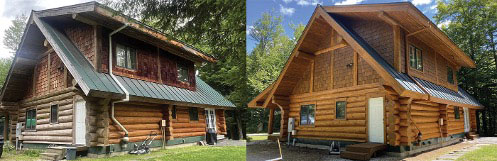
Sometimes, such as when purchasing an older log home, a homeowner may want a completely different color. You can always go to a darker stain, but a lighter color requires removing the existing exterior finish before applying the new one.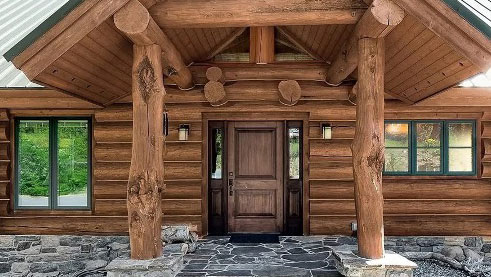
A Staining Strategy
Returning to bare wood under an existing finish is expensive and time consuming. Whether you are staining a new home or going back to bare wood, switching to a water-based stain system will significantly simplify your log home stain maintenance.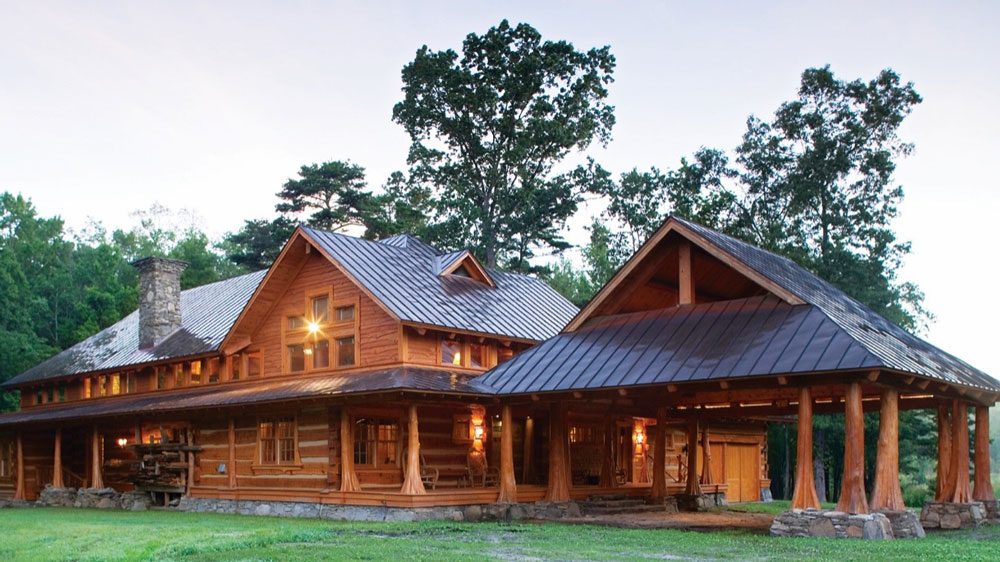
Perma-Chink’s Lifeline™ water-based exterior home finish includes both a stain and a topcoat. The stain provides color, while the topcoat delivers UV protection and durability alongside luster.
With an oil-based finish, signs of failure often require returning to bare wood. In contrast, with Lifeline™ if the stain color appears faded, the surface may only need cleaning and a maintenance coat of Lifeline Advance, an exterior topcoat. (Cleaning is critical because any dirt, mildew or residue will interfere with adhesion.)
If the stain requires another coat, no sanding or stripping to bare wood is required. Use Log Wash to remove any dirt or pollen build-up, then re-apply the stain, Ultra-2 or Lifeline Exterior. Another alternative is Lifeline Ultra-7, a one-coat color formula followed by a clear topcoat.
Interior Logs
Interior log surfaces behave differently than exterior. Without exposure to sun and weather, finishes inside the home are far more stable. Maintenance often involves cleaning and an occasional recoating rather than sanding or stripping. Whether you are staining trim, millwork, walls or even furniture, Perma-Chink’s line of interior finishes, meets all your needs from semi-transparent to clear protective finishes in satin or gloss.